


Protein diet: protein for vegans and vegetarians
Protein diet for vegans and vegetarians – discover how to meet your protein needs with the right foods, supplements, and ready-made meal plans that support a plant-based lifestyle.
More and more people are choosing plant-based diets, eliminating meat or all animal-derived products from their meals. However, getting enough protein on a vegetarian or vegan diet requires thoughtful planning. In this article, we explain how to ensure a sufficient intake of high-quality protein on a plant-based diet, which supplements are worth considering, and how our promotional bundles can help you achieve your daily protein goals.
Table of Contents
- Introduction – A Protein Diet for Vegans and Vegetarians
- Why Is Protein Important?
- Vegetarianism vs. Veganism – A Quick Overview
- What Does a Protein Diet for Vegans and Vegetarians Look Like?
- Which Supplements Should You Take on a Vegetarian or Vegan Diet?
- Our Promotional Bundles – Convenient Protein Support
- Summary
- References
Plant-Powered Protein for Vegans and Vegetarians – How to Get Enough Protein on a Plant-Based Diet
In recent years, more and more people have adopted plant-based diets—whether fully vegan or vegetarian, which excludes meat while allowing selected animal products [1]. Below you'll find the most important information about protein-rich diets for vegans and vegetarians, along with practical promotional bundles that make it easier to meet your daily protein requirements.
Why Is Protein Important?
Protein is one of the essential macronutrients. It plays a key role in building and repairing body tissues, supports the immune system, and helps promote satiety. On plant-based diets, it's especially important to consume enough high-quality protein, both in terms of total intake and amino acid composition [2].
Vegetarianism vs. Veganism – A Quick Overview
- A vegetarian diet excludes meat and fish but may include animal-derived products such as eggs, dairy products, and honey, depending on the type of vegetarian diet followed [1].
- A vegan diet is more restrictive, eliminating all animal-derived products, including dairy, eggs, and often honey and other indirectly animal-based ingredients [1].
- Although both dietary patterns can support good health, they require careful nutritional planning—particularly in the case of vegan diets [2].
What Does a Protein Diet for Vegans and Vegetarians Look Like?
In practice, a high-protein diet based on plant foods relies on legumes (such as lentils, chickpeas, and beans), soy products (tofu and tempeh), nuts and seeds, protein-rich grains like quinoa, and high-quality plant protein supplements, including isolates and blended protein powders [3].
For vegetarians, eggs and dairy products (if included in the diet) provide additional protein sources, making it somewhat easier to meet daily protein requirements. For vegans, ensuring an adequate intake of complete plant proteins—or combining complementary protein sources—is particularly important, and supplementation may be beneficial when necessary [2,3].
Which Supplements Should You Take on a Vegetarian or Vegan Diet?
The key nutrients to pay attention to include:
- Vitamin B12 – essential for nervous system function and red blood cell production. Natural vegan sources are very limited [2,4].
- Omega-3 fatty acids (EPA and DHA) – algae-based supplements are an excellent plant-derived source [2].
- Iron – plant-based iron is less bioavailable than iron from meat, so regular monitoring is recommended [3].
- Calcium and vitamin D – especially important when dairy products are excluded [3].
- Zinc, iodine, and complete protein – ensuring adequate intake helps meet daily nutritional requirements [3].
You can find all of our dietary supplements, including our BIO range, HERE.
Our Promotional Bundles – Convenient Protein Support
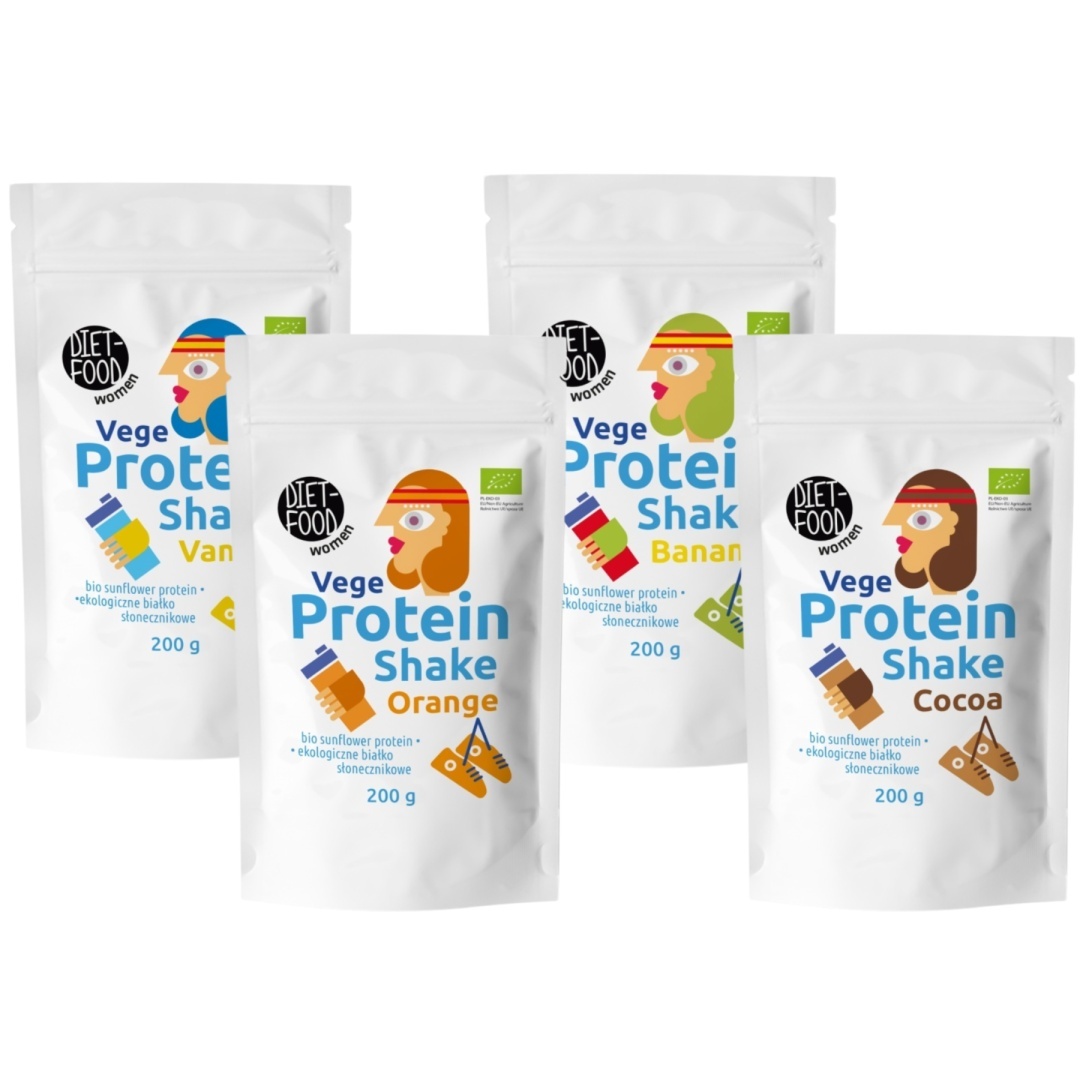
- WOMEN POWER – Protein Boost – a bundle designed for active women, featuring sunflower protein, with no added sugar or artificial ingredients.
Shop the Bundle >>
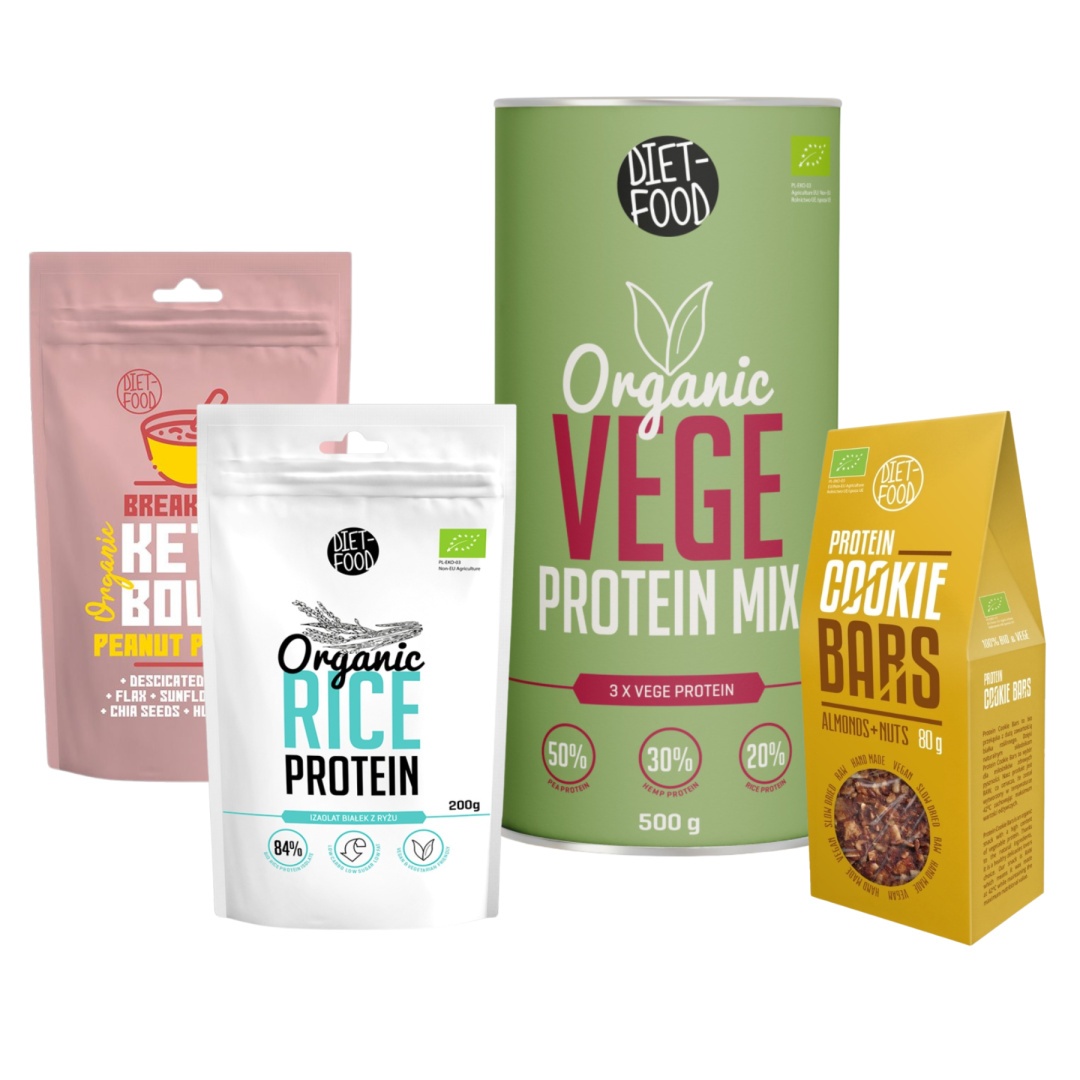
- VEGE BALANCE – Plant Protein Power – a blend of hemp, pea, and rice proteins, ideal for vegans, vegetarians, and people with lactose intolerance.
Shop the Bundle >>
These bundles make it easier to reach your daily protein target, especially on diets where traditional protein sources such as meat and dairy are limited or completely excluded.
Summary
A high-protein vegan or vegetarian diet requires more careful planning than a diet that includes meat. The key is to consume a variety of plant-based protein sources, maintain adequate calorie and macronutrient intake, and supplement nutrients that may be lacking, such as vitamin B12, omega-3 fatty acids, and iron. With the help of products like our WOMEN POWER and VEGE BALANCE bundles, you can enjoy high-quality protein that supports recovery, energy levels, and an active lifestyle.
Scientific References
- National Centre for Nutrition Education (Poland). "Vegetarian and Vegan Diets – Sources of Potentially Deficient Nutrients."
- National Food and Nutrition Institute. "Supplementation in Vegetarian and Vegan Diets – Practical Guidelines."
- Nazarewicz R. "The Impact of Vegetarian Diets on Selected Hematological and Biochemical Blood Parameters." Roczniki Państwowego Zakładu Higieny.
- Śliwińska A. "Assessment of Knowledge on Vegetarian and Vegan Diets." Medical University of Gdańsk.
The information presented in this article is intended for educational and informational purposes only. It does not constitute medical advice and should not replace consultation with a physician or qualified nutrition professional.
Comments
No comment at this time!
Leave your comment